
Types of Decorative Cornices
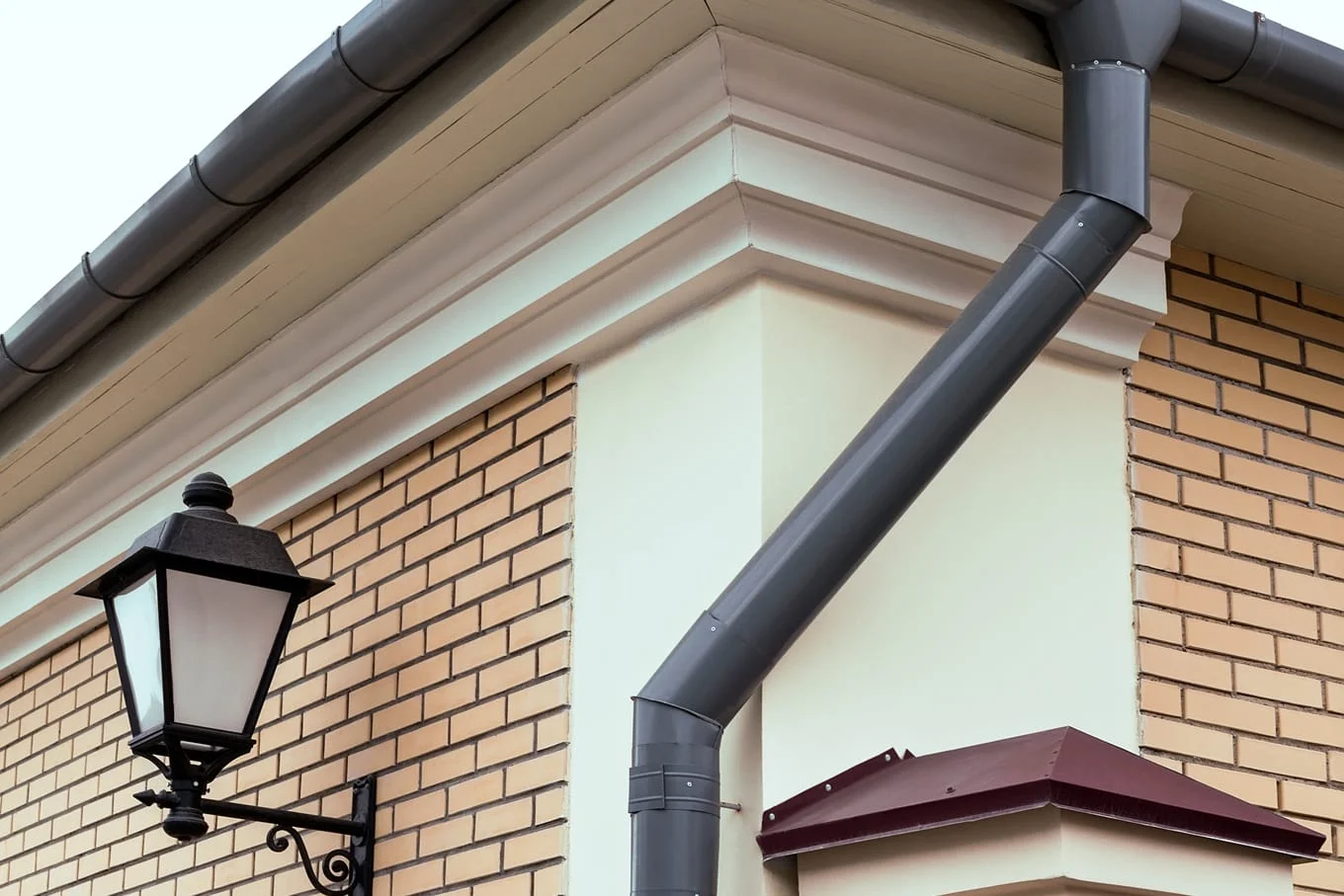
Decorative cornices are among the most important architectural details used on façades, adding rhythm, structure, and visual definition to a building. They influence the overall perception of the architecture by emphasizing horizontal lines, defining proportions, and reinforcing the chosen design style. Although decorative cornices vary in shape, scale, and function, they all share a common purpose: enhancing the appearance of the façade and helping to create a balanced architectural composition. Thanks to the wide variety of available profiles, cornices can be successfully incorporated into both traditional and contemporary architectural designs.
What Are the Traditional Types of Cornices and What Makes Them Unique?
In classical architecture, three main types of cornices are commonly distinguished and remain widely used in architectural design today:
• String course cornices – installed horizontally across the façade to separate storeys and create a clear visual division between different levels of the building.
• Crowning cornices – positioned at the top of the façade, they provide a visual termination to the building while helping to direct rainwater away from the wall surface.
• Window cornices – installed above or around windows to emphasize their shape and add architectural refinement to the façade.
Each of these cornice types has evolved over centuries and has been used in Greek, Roman, Renaissance, and Classical architecture. They are timeless architectural elements that help organize façades, improve proportions, and create a sense of elegance and harmony.
How Are Cornices Interpreted in Contemporary Architecture?
Modern architecture continues to embrace cornices, but often in a more refined and minimalist form. Instead of elaborate ornamentation, contemporary designs favor clean lines and simple geometric profiles that complement modern architectural styles. Today’s exterior cornices are typically subtle and lightweight, serving primarily as elegant architectural divisions that enhance the overall composition of the façade.
Modern cornices may also incorporate integrated LED lighting or be manufactured from advanced lightweight materials, creating decorative effects without overwhelming the building’s design. As a result, they remain an effective tool for adding depth, structure, and visual interest to façades in twenty-first-century architecture.
What Materials Are Used to Manufacture Cornices?
While the function of cornices has remained largely unchanged over time, the materials used to produce them have evolved alongside advances in construction technology. Traditionally, cornices were crafted from stone or plaster. Today, modern alternatives include high-density EPS polystyrene, fiberglass mesh reinforcement, and durable cement-based coatings.
The choice of material should always reflect the architectural style of the building, environmental conditions, and long-term performance requirements. Larger projects and more demanding applications often benefit from durable, weather-resistant solutions that combine aesthetic appeal with practicality.
The specialists at ADAMS can help you select the most suitable architectural mouldings for your project, ensuring that your façade reflects both current architectural trends and long-lasting quality.
How to Choose the Right Cornice for Your Building?
The most important principle when selecting a cornice is maintaining architectural consistency. Traditional and classical buildings are best complemented by larger cornices with more traditional profiles, while contemporary architecture typically benefits from cleaner, more restrained designs. The proportions of the building, the rhythm of the windows, and the overall character of the façade should all be carefully considered when choosing a cornice.
A cornice should enhance the architectural composition rather than dominate it. When properly selected, it can significantly influence the visual perception of a building, adding elegance, lightness, structure, or a contemporary architectural expression. Thoughtfully chosen exterior mouldings help create a cohesive façade design that remains attractive and balanced over time.
Key Takeaways:
• String course, crowning, and window cornices help organize the façade and improve its proportions.
• Traditional cornices remain a fundamental element of façade composition in classical architectural styles.
• Contemporary cornices feature clean lines and often serve as subtle architectural accents.
• The choice of material influences durability, appearance, and installation possibilities.
• Selecting a cornice that complements the architectural style of the building is essential for creating a cohesive and harmonious façade.