
How to Give a Façade a Three-Dimensional Appearance?
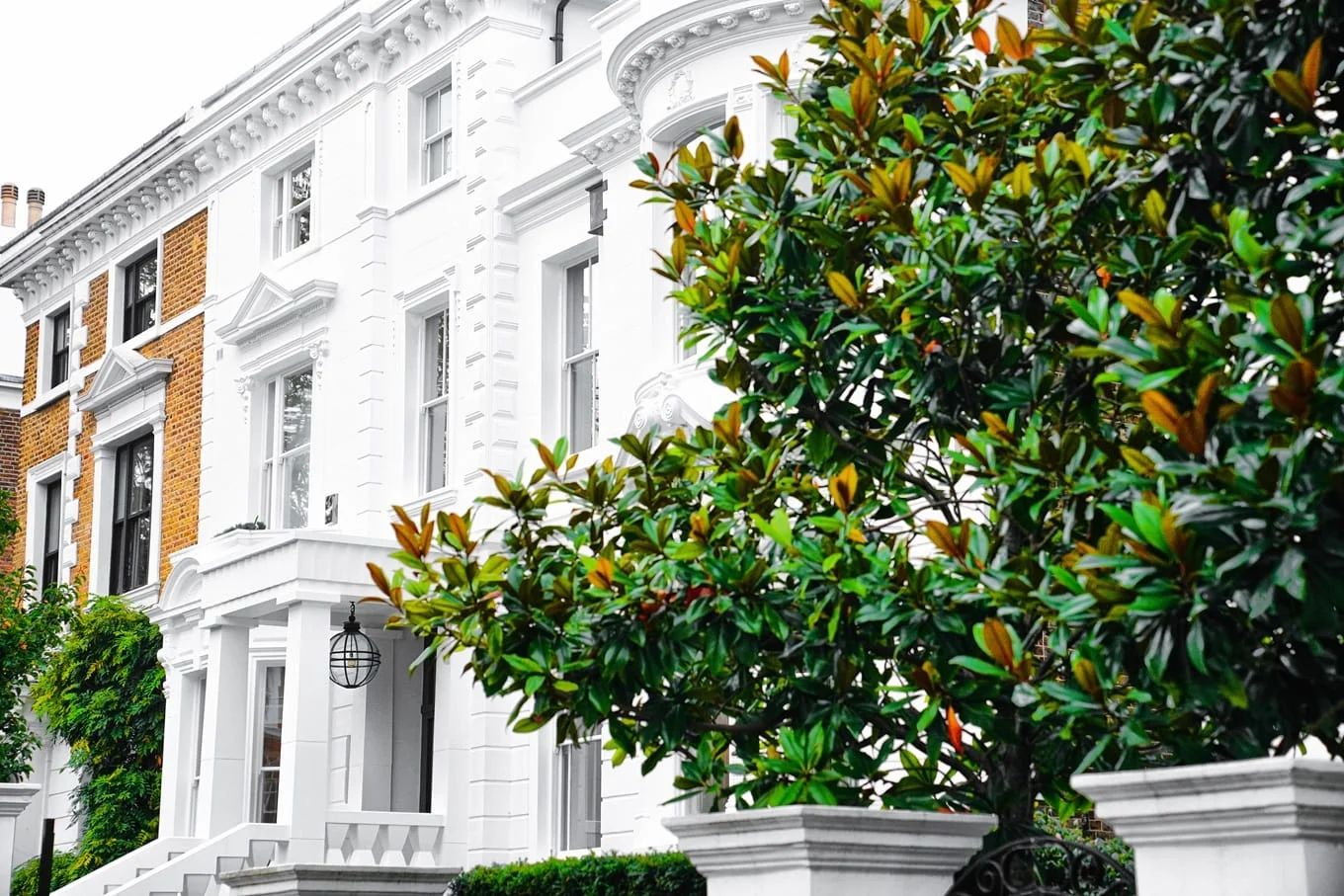
Three-dimensionality in architecture is more than just a visual effect—it is a powerful way to emphasize the character and individuality of a building. By carefully combining form, light, and materials, it is possible to create façades that capture attention and leave a lasting impression.
Adding depth and dimension to a façade brings the building to life, allowing its appearance to change throughout the day as lighting conditions and viewing angles evolve. Shadows, projections, and architectural details create visual interest and highlight the unique features of the design.
When used thoughtfully, three-dimensional architectural elements help transform a functional structure into an inspiring and visually engaging building, enhancing both its aesthetic appeal and overall architectural value.
How Can You Create Depth and Visual Interest on a Façade?
One of the simplest ways to create a three-dimensional façade is through the thoughtful combination of different materials, textures, and surface finishes. Contrasting smooth and textured surfaces, along with the strategic use of color, helps emphasize architectural details and create visual depth. Even relatively small elements, such as window surrounds, façade divisions, or decorative mouldings, can significantly influence the overall perception of a building. When carefully integrated into the design, these features contribute to a façade that is visually engaging from every angle.
Lighting is another powerful tool for enhancing the depth and character of a façade. Well-planned illumination can dramatically transform the appearance of a building after dark, highlighting its structure, architectural details, and surface textures. Directional spotlights, illuminated cornices, and accent lighting applied to selected features create an interplay of light and shadow that adds dimension and visual interest.
Strategically positioned lighting can also help refine the perceived proportions of a building, drawing attention to its most distinctive architectural elements. Combined with carefully selected façade details, it creates a dynamic and sophisticated appearance that remains attractive both during the day and at night.
Is Exterior Architectural Moulding Still in Style?
Absolutely. Exterior architectural moulding remains highly popular, particularly when high-quality products are used. Modern profiles, cornices, and decorative façade elements make it possible to create an elegant, three-dimensional appearance without making the design feel overly ornate.
Thanks to the wide variety of available profiles and precise craftsmanship, architectural mouldings complement a broad range of architectural styles, from classic and traditional designs to contemporary and minimalist projects. They provide an effective way to add depth, proportion, and architectural character while maintaining a balanced and refined aesthetic.
When thoughtfully integrated into a façade design, architectural mouldings help create a distinctive visual identity and highlight the unique features of a building. They remain one of the most versatile and timeless solutions for enhancing the appearance and value of residential, commercial, and public properties.
What Materials Help Create a Three-Dimensional Façade?
Modern solutions, such as fiberglass mesh reinforcement and lightweight EPS polystyrene used in ADAMS architectural mouldings, open up entirely new design possibilities. These materials make it possible to create a wide variety of profiles, textures, and architectural details that add rhythm, depth, and visual interest to a façade.
Their lightweight nature allows for the creation of sophisticated architectural features without placing additional load on the building structure, while advanced reinforcement technologies ensure long-term durability and performance.
When selecting façade materials, it is important to consider not only their aesthetic qualities but also their resistance to weather conditions and overall durability. High-quality architectural mouldings help ensure that a façade retains its attractive appearance and architectural character for many years to come.
Key Takeaways on Three-Dimensional Façades:
• Three-dimensional architectural design gives buildings a distinctive character and enhances their visual appeal.
• Combining different materials, textures, and colors is essential for creating a dynamic and visually engaging façade.
• ADAMS architectural mouldings provide an elegant and contemporary way to emphasize the style and individuality of a building.
• Architectural lighting enhances the perception of depth and helps highlight façade details after dark.
• Innovative façade materials combine durability with aesthetics, making it possible to create unique and visually striking architectural compositions.