
Using Façade Mouldings on Insulated Buildings
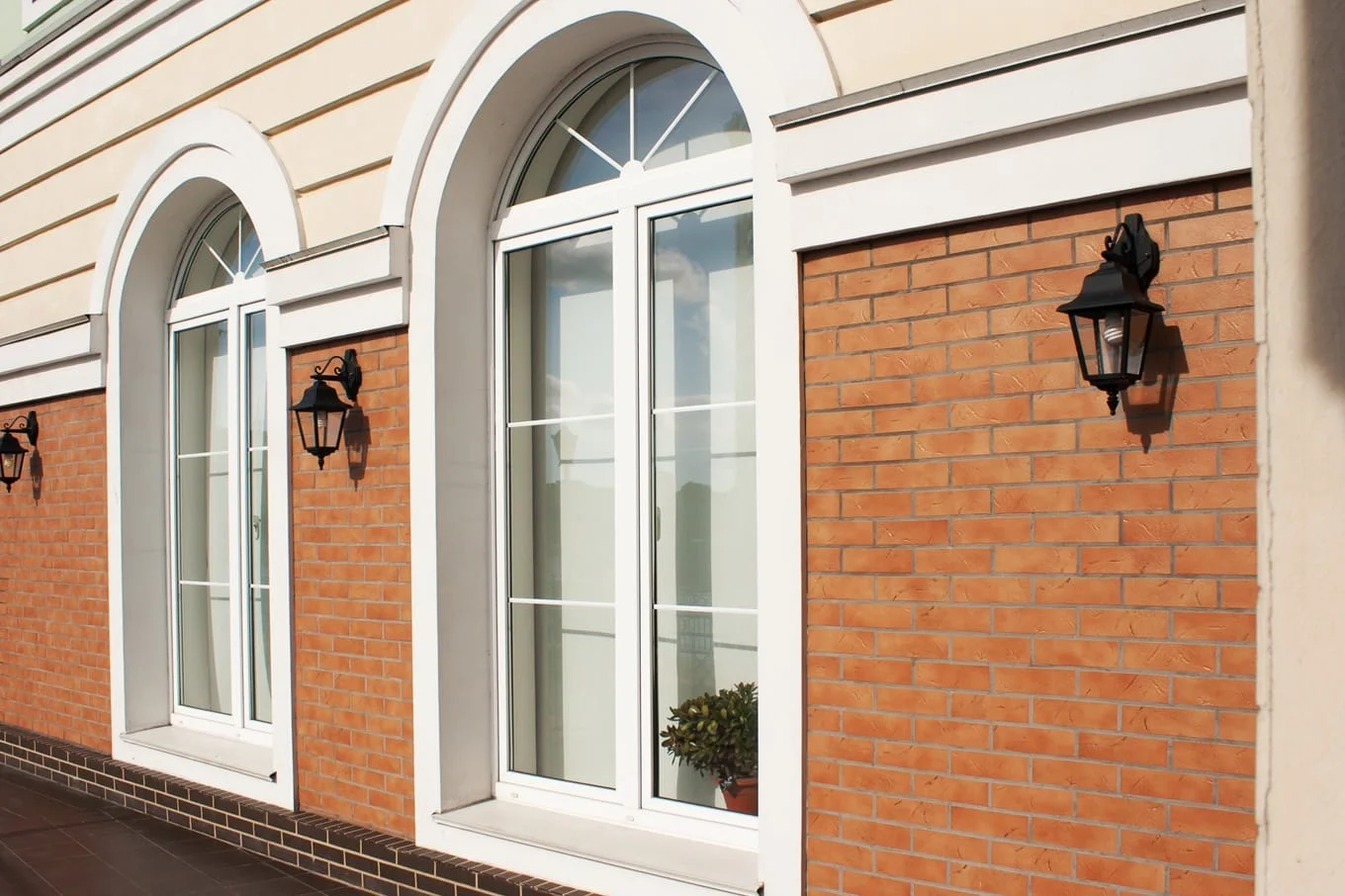
The relationship between exterior architectural mouldings and building insulation is an important aspect of façade design, combining visual appeal with practical performance. Both decorative and technical façade profiles can play a valuable role in modern External Thermal Insulation Composite Systems (ETICS), contributing to the durability, weather resistance, and overall appearance of the building.
Can Façade Profiles Be Part of an Insulation System?
Façade profiles are commonly used to conceal expansion joints, provide a clean finish around windows and doors, and create visually appealing façade divisions. Technical profiles and window connection profiles are particularly important, as they help ensure a weather-tight connection between the insulation system and window or door frames.
By improving the quality of these connections, they help reduce the risk of moisture penetration, cracking, and thermal bridging, all of which can negatively affect the performance and longevity of the insulation system.
Which Architectural Mouldings Help Improve Façade Durability?
In addition to technical profiles, decorative architectural mouldings can also be installed directly onto the reinforced insulation layer, providing both visual enhancement and practical benefits. Commonly used elements include:
• Window connection profiles and expansion joint profiles, which improve the weather-tightness of critical connections.
• Exterior cornices, which help protect vulnerable areas of the façade while creating clear architectural divisions.
• Rustication profiles, which emphasize corners and add visual definition to the building's form.
• Pilasters, decorative brackets, and keystones, which complete the façade composition and give the building a distinctive architectural character.
Choose Proven Architectural Mouldings from ADAMS
If you are looking for a durable and visually appealing finish for an insulated building, ADAMS offers architectural mouldings specifically designed to complement modern insulation systems. Professionally engineered façade details help improve the appearance of the building while supporting the long-term performance of the façade.
The Role of Architectural Mouldings in Building Insulation – Summary
Exterior architectural mouldings are an important component of modern insulated façades, combining aesthetic enhancement with practical protection of the insulation layer. Technical and decorative profiles help improve the weather-tightness of critical areas, reduce the risk of thermal bridging, and contribute to the overall durability of the façade.
When properly selected and installed, architectural mouldings allow a building to achieve a distinctive architectural character without compromising the functionality or energy efficiency of the insulation system.
FAQ
How do exterior architectural mouldings affect building insulation?
Architectural mouldings not only enhance the appearance of a façade but can also help protect the insulation layer from external factors, contributing to the durability and integrity of the insulation system.
Why are technical profiles important in insulated façades?
Technical profiles provide weather-tight connections between insulation systems and window or door frames, helping to minimize the risk of thermal bridges, moisture penetration, and façade cracking.
What architectural moulding solutions does ADAMS offer?
ADAMS offers professionally designed architectural mouldings that combine aesthetic appeal with functionality, helping to create durable, visually attractive façades with a distinctive architectural character.